
Table of Contents
- Understanding Professional Hoarding Cleanup Services
- How to Clean a Hoarder’s House: The Professional Approach
- Helping Someone with Hoarding Disorder Without Judgment
- Estate Cleanout for Hoarding Situations
- Hoarding Cleanup Cost: What Affects the Price
- Choosing the Right Professional Cleanup Service
- Preparing for Professional Cleanup and Aftercare
- Frequently Asked Questions
Last Updated: October 19, 2026
Understanding Professional Hoarding Cleanup Services
Professional help for hoarding cleanup addresses a deeply sensitive situation that requires both practical expertise and genuine compassion. Hoarding disorder is a recognized mental health condition characterized by persistent difficulty discarding possessions, regardless of actual value, combined with significant distress at the thought of parting with items (pubmed.ncbi.nlm.nih.gov). When a home becomes unsafe due to extreme clutter, professional intervention becomes necessary.
The scope of professional hoarding cleanup goes far beyond typical junk removal. These services combine decluttering, sorting, responsible disposal, and property restoration into a coordinated process designed to restore safe living conditions while respecting the dignity of the person affected. Many families find themselves unprepared for the complexity involved, which is why experienced professionals make a meaningful difference.
At Brian Price, we understand that hoarding situations often involve family dynamics, mental health considerations, and the need to preserve items that hold genuine value. Our approach combines certified appraisal services with compassionate cleanup coordination, ensuring that valuables are identified and handled fairly while the home is restored to a safe, usable state.
How to Clean a Hoarder’s House: The Professional Approach
Cleaning a hoarder’s house requires a structured methodology that addresses both the physical clutter and the emotional complexity underlying the situation. The professional approach differs significantly from standard cleaning or junk removal because it prioritizes the person’s wellbeing alongside property restoration.
Initial Assessment and Safety Evaluation
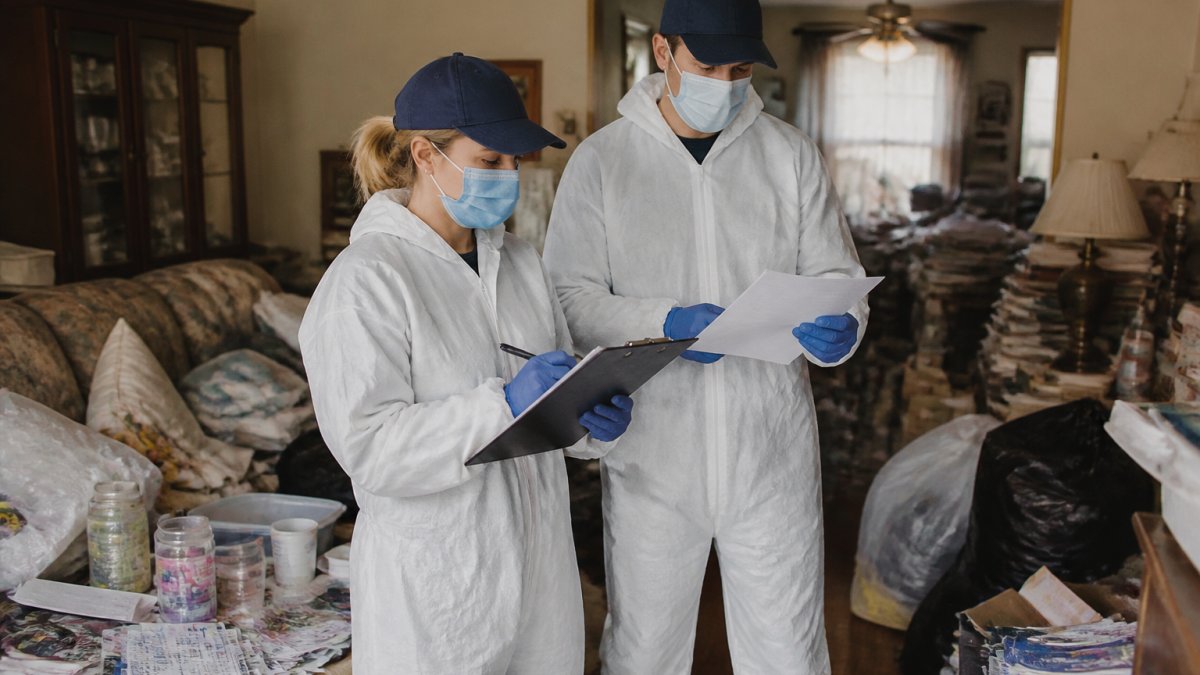
The first step in any professional hoarding cleanup is a thorough initial assessment. During this walkthrough, trained professionals evaluate the extent of clutter, identify safety hazards, and determine what needs to happen to restore the space to livable conditions.
Safety evaluation is critical. Professionals look for fire hazards, pest infestations, mold growth, structural damage, and biohazard concerns that may require specialized remediation. Many hoarding situations involve layers of complexity, blocked exits, unstable piles of possessions, compromised flooring, or deteriorated sanitation, that demand careful planning before work begins.
A comprehensive property assessment also establishes the baseline for what the space will look like after cleanup is complete. This gives the affected person and their family clear expectations and helps prevent misunderstandings about scope and timeline.
Sorting, Salvaging, and Responsible Disposal
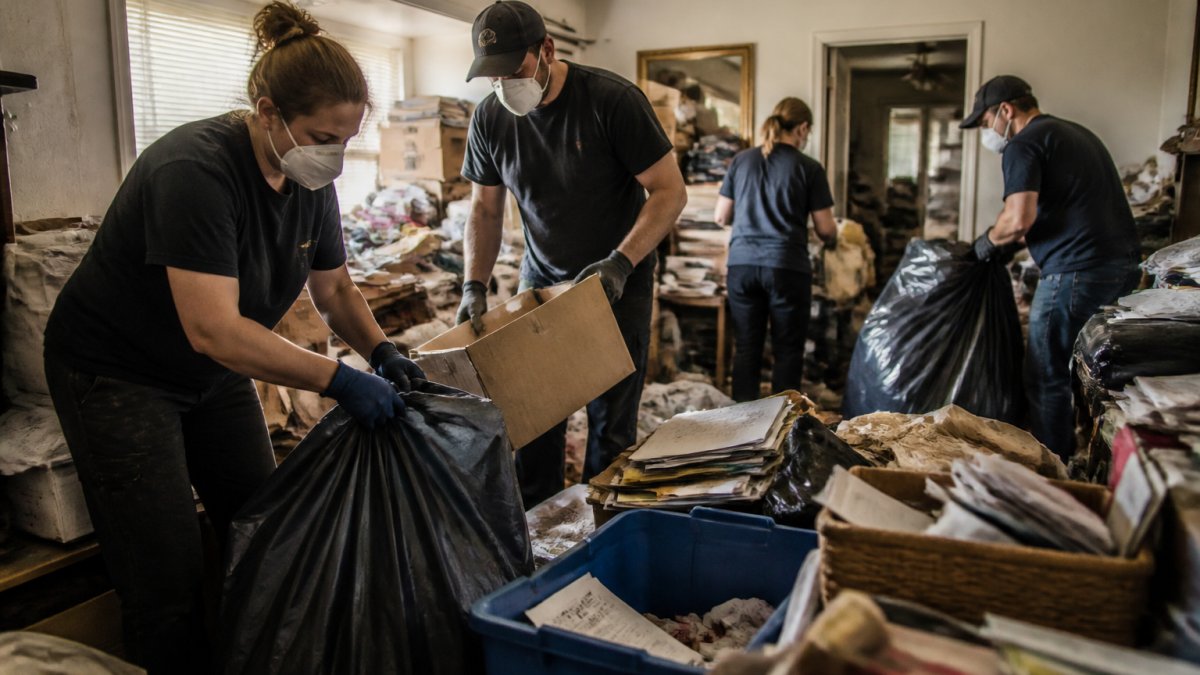
Once safety concerns are documented, the actual sorting and removal process begins. This is where professional help for hoarding cleanup truly demonstrates its value. Trained team members work systematically through the home, categorizing possessions into several groups: items to keep, items with potential resale value, donations, and items requiring disposal.
Sorting requires judgment and sensitivity. What appears to be junk may hold sentimental or practical value to the person living in the home. Responsible professionals involve the affected individual in decision-making whenever possible, respecting their autonomy while gently encouraging realistic choices about what can reasonably be kept.
Items with genuine value are separated and documented. Certified appraisers can identify antiques, collectibles, and other valuables that might otherwise be discarded. This protects the person’s financial interests and ensures fair market value is realized if items are liquidated.
Disposal and donation logistics are handled professionally. Salvageable possessions go to appropriate charities or resale channels. Items unsuitable for reuse are disposed of responsibly, following environmental and regulatory standards. This comprehensive approach means the family doesn’t face the burden of managing multiple removal and donation logistics themselves.
Helping Someone with Hoarding Disorder Without Judgment
Supporting a person with hoarding disorder requires understanding that the condition is not about laziness or poor housekeeping, it’s a mental health issue with roots in anxiety, trauma, loss, or other psychological factors. Judgment and criticism typically worsen the situation and damage relationships.
Compassionate support begins with listening. Many people with hoarding disorder experience shame and isolation. Creating a safe space to discuss the situation without blame opens the door to meaningful help. Family members and caregivers often benefit from understanding that the person’s attachment to possessions, however irrational it may seem, is psychologically real and deeply felt.
Involving a mental health professional alongside physical cleanup is often essential. Therapists experienced with hoarding disorder can address underlying emotional issues while the physical environment is being restored. Without addressing the psychological component, the person may recreate the hoarded environment once cleanup is complete.
When professional cleanup services are introduced, frame them as support rather than judgment. Phrases like “This will help us create a safer home for you” or “We want to work together to make your space more comfortable” emphasize partnership. Discreet service providers who understand the emotional dimensions of hoarding create an environment where the affected person feels respected rather than humiliated.
Estate Cleanout for Hoarding Situations
Estate cleanout becomes significantly more complex when hoarding is involved. The combination of accumulated possessions, potential valuables hidden within clutter, and the emotional weight of the situation demands specialized expertise.
Estate cleanout for hoarding situations requires professionals who understand both property liquidation and the sensitive family dynamics often present. When a parent or loved one has passed away and left behind a severely cluttered home, family members face competing pressures: the need to settle the estate, the emotional difficulty of sorting through decades of accumulated possessions, and the practical challenge of making the home saleable or transferable.
Professional estate cleanout services coordinate appraisal, sorting, removal, and disposal in a single process. This eliminates the need for families to manage multiple vendors and make countless individual decisions about what to keep, sell, or discard. For executors managing an estate with limited time, this coordination is invaluable.
Hoarding Cleanup Cost: What Affects the Price
Understanding what influences hoarding cleanup cost helps families plan realistically and avoid unexpected expenses. Several factors determine the overall investment required.
The size and severity of the hoarding situation is the primary cost driver. A single room with moderate clutter costs significantly less than a full house with floor-to-ceiling accumulation. The volume of material requiring sorting, removal, and disposal directly impacts labor hours and disposal fees.
Hazard remediation adds to the cost. If mold, biohazard cleanup, pest treatment, or structural repairs are necessary, specialized contractors and materials increase expenses. Safety concerns that require professional remediation cannot be cut from the budget without compromising the final result.
Timeline affects pricing as well. Rush cleanups requiring compressed schedules or weekend work typically cost more than standard-pace projects. Conversely, projects with flexible timelines allow professionals to work efficiently and reduce labor costs.
Salvage and appraisal services influence the final cost structure. When valuables are identified and handled through certified appraisal and liquidation processes, these services carry professional fees, but they typically recover far more value than would be realized through generic disposal. For many families, the appraised value of recovered items offsets the professional service cost.
Tell Us About Your Situation →
Disposal and donation logistics also factor in. Responsible disposal of hazardous materials, coordination with charities, and proper handling of items unsuitable for reuse require time and resources that generic junk removal services often don’t provide.
For specific pricing information tailored to your situation, Brian Price recommends requesting a detailed estimate based on a property assessment.
Choosing the Right Professional Cleanup Service
Selecting a professional cleanup service is one of the most important decisions in the hoarding cleanup process. The right partner brings expertise, compassion, and reliability; the wrong choice can complicate an already difficult situation.
Credentials and Experience That Matter
Credentials establish whether a service provider has the expertise to handle complex situations safely and ethically. Look for professionals with relevant certifications and demonstrated experience in hoarding cleanup specifically, not just general junk removal.
Certified Canadian Personal Property Appraisers (CPPA) bring credibility to valuations. If items in the home have potential resale value, working with an appraiser ensures fair market assessment and protects the family’s financial interests. Licensed real estate professionals understand property condition and restoration requirements in ways that general cleaners may not.
Experience with hoarding situations specifically matters because these cleanups require sensitivity and specialized knowledge. A service provider with years of experience managing hoarding cleanup understands the mental health dimensions, knows how to work respectfully with affected individuals, and can navigate complex family dynamics.
Ask potential providers for references from previous hoarding cleanup projects.
Discreet Service and Privacy Protection
Privacy is a legitimate concern for families managing hoarding situations. Neighbors may notice activity, and the affected person may fear judgment or embarrassment. Professional services that prioritize discretion and confidentiality protect the family’s privacy while the work proceeds.
Discreet service means using unmarked vehicles when possible, scheduling work during times that minimize visibility, and ensuring team members maintain confidentiality about what they observe. Privacy protection extends to how information is handled, client details, property conditions, and the situation itself should never be shared beyond what’s necessary for the work.
Trustworthy providers understand that confidentiality is part of their professional obligation. This reassurance often helps the affected person feel safe cooperating with the cleanup process rather than resisting it.
Preparing for Professional Cleanup and Aftercare
Preparation before professional cleanup begins and aftercare afterward determine whether the outcome is sustainable. Skipping either phase often leads to the situation recurring.
Before cleanup starts, establish clear communication with the affected person about what will happen, how long it will take, and what the home will look like when finished. Realistic expectations reduce anxiety and resistance.
Identify any items the person absolutely wants to keep. Setting these aside before sorting begins prevents accidental disposal and demonstrates respect for their autonomy. This also simplifies the sorting process because team members know which items are off-limits.
Arrange for mental health support to begin during or immediately after the cleanup phase. Therapists experienced with hoarding disorder can help the person process emotions, address underlying psychological issues, and develop strategies to prevent relapse.
Aftercare planning prevents the situation from recurring. Many people with hoarding disorder benefit from ongoing support, whether therapy, support groups, or regular check-ins with family members.
Home maintenance routines also help. Working with the affected person to establish simple daily habits, sorting mail immediately, designating specific storage spaces, regular donation of unused items, prevents accumulation from restarting.
Hoarding cleanup is one of the most emotionally and logistically complex home situations families face.
When you’re ready to move forward, Brian Price offers comprehensive support that goes beyond cleanup. Our certified appraisal services help ensure valuables are properly identified and fairly valued.
| Factor | Impact on Cost | Consideration |
|---|---|---|
| Home size and clutter severity | Primary driver | Larger homes with floor-to-ceiling clutter cost more |
| Hazard remediation | Significant increase | Mold, pest treatment, or biohazard cleanup adds specialized costs |
| Timeline and scheduling | Moderate increase | Rush projects or weekend work cost more than standard-pace |
| Salvage and appraisal services | Variable | Professional fees offset by recovered item value |
| Disposal and donation logistics | Moderate | Responsible disposal and charity coordination require time and resources |
Frequently Asked Questions
How much does professional hoarding cleanup cost?
Professional hoarding cleanup pricing depends on the property size, extent of clutter, accessibility, and scope of removal and restoration needed. A single-room cleanout differs significantly from a full-home project. Factors include the volume of debris, whether salvageable items require sorting and donation coordination, hazard remediation (mold, pest infestation), and timeline urgency. Contact a professional service to receive accurate pricing tailored to your specific situation.
What should I expect during a professional hoarding cleanup?
Professional cleanup typically begins with a walkthrough assessment to evaluate safety hazards, clutter volume, and restoration needs. The team then sorts belongings into categories: items to keep, donate, sell, or dispose of. They handle removal of junk and debris, deep cleaning, and restoration of the space to safe, usable condition. Throughout the process, professionals work discreetly and with sensitivity to the affected person’s needs, ensuring compassionate support and privacy.
How can I help someone with hoarding disorder without making things worse?
Support starts with understanding that hoarding disorder is a real condition requiring compassion, not judgment. Have a private, non-confrontational conversation to express concern for their safety and wellbeing. Suggest professional help as a collaborative solution rather than criticism. Obtain their consent before involving cleanup services. Include them in decisions about what to keep and what to remove. Professional cleaners trained in compassionate support can facilitate this process while respecting the person’s autonomy and emotional attachment to possessions.
Can a professional estate cleanout service handle a hoarding-affected home?
Yes, specialized estate cleanout services designed for hoarding situations handle the unique challenges these homes present. They assess safety hazards, manage extreme clutter mixed with valuable items, coordinate sorting and salvage, and restore the property. These professionals are trained to work with families and affected individuals with sensitivity and discretion. They often combine cleanup expertise with certified appraisal services to ensure fair market value for salvageable possessions and responsible disposal of unsuitable items.