

Quick Summary
To prepare house for sale, start several months before listing so repairs, cleaning and decluttering stay in order. Fix safety issues and items a home inspector would flag first, then declutter and depersonalize each room so buyers can picture themselves living there.
- Start about 12 weeks before your target listing date and work backward through a timeline.
- Book a home inspection about 10 weeks out so you know what buyers will find.
- Focus repairs first on safety items and anything a home inspector is likely to flag.
- Declutter rooms you rarely use first, and begin sorting early since it takes longer than expected.
- Book a pre-listing walkthrough before listing day to catch problems early.
Table of Contents
Start With a Preparation Timeline
Learning how to prepare house for sale in Windsor-Essex is far easier when you start months before the listing goes live. Many sellers wait until the agent calls to say “list next week,” then scramble. A simple timeline removes that pressure and keeps repairs, cleaning and decluttering in a sensible order.
Work backward from your target listing date. Allow enough time for a full preparation, and more if the home needs significant repairs or the contents need to be cleared.
- 12 weeks out: Meet with a real estate agent and talk through pricing and timing.
- 10 weeks out: Book a home inspection so you know what buyers will find.
- 8 weeks out: Set your repair priorities and get quotes.
- 6 weeks out: Start decluttering, beginning with rooms you rarely use.
- 4 weeks out: Complete major repairs and begin depersonalizing.
- 2 weeks out: Deep clean, stage the rooms and arrange photography.
- Listing week: Confirm showing schedules and keep the home ready at all times.
Watch out: Sellers often leave decluttering until the last week. Sorting a full household takes far longer than most people expect, so start early.
Build Your House Selling Checklist
A written checklist keeps the preparation organized. It also helps you see which tasks are quick and which need planning. Many sellers use one list for repairs, another for cleaning and a third for paperwork.
- Gather home records, warranties and receipts for past repairs.
- Locate all keys, remote controls and garage door openers.
- Collect appliance manuals and any working warranties.
- Confirm property boundaries and any shared access details.
- Order packing supplies for items you plan to store or remove.
- Schedule photography and any virtual tour work.
What to Fix Before Selling a House
Buyers will notice problems during a showing and again during inspection. Fixing the right items can protect your price, but not every issue needs attention. The goal is to address what buyers are most likely to question.
Focus first on safety items and anything a home inspector is likely to flag. Leaking roofs, damp basements, broken railings and non-working electrical outlets are the kinds of issues buyers often question.
Cosmetic updates often matter too when you prepare house for sale. Fresh neutral paint, repaired trim, working light fixtures and clean curb appeal are noticeable to buyers.
Deciding Between DIY and Professional Repairs
Some tasks suit a handy homeowner. Patching nail holes, repainting a room and replacing light bulbs are simple. Electrical work, plumbing repairs and roof issues usually need a licensed professional.
A useful rule: if a repair affects safety, structure or a system a buyer will test, hire someone qualified. Save DIY for cosmetic work that you can finish cleanly.
Budgeting Repairs Against Likely Return
Every repair should be weighed against what it might add to the sale price or what it might prevent. Spending heavily on a feature that buyers do not value can leave you short on money without improving your offer.
Compare the cost of each task with the problem it solves. A paint refresh is often a practical place to start, as many buyers prefer to update finishes to their own taste. Ask your agent which repairs are most likely to affect offers in your neighbourhood.
Declutter and Depersonalize Each Room
Buyers need to picture their own belongings in each room. Heavy furniture, family photos and personal collections make that harder. Clear each room of excess items and keep only what helps the space feel open.
- Remove excess items from shelves and counters.
- Pack away personal photos, awards and religious items. If you’re sorting inherited or unwanted pieces, see practical steps for selling inherited household items.
- Clear walkways so buyers can move freely through each room.
- Store seasonal décor and extra furniture off-site if possible.
For estates or long-held family homes, sorting items can be emotionally difficult. Working through rooms one at a time usually makes the process more manageable.
Home Staging Tips That Help Buyers See Themselves Living There
Staging does not need to be expensive. The aim is to show the space at its best. Arrange furniture to create clear paths and a sense of purpose in each room. Keep surfaces clean and bare.
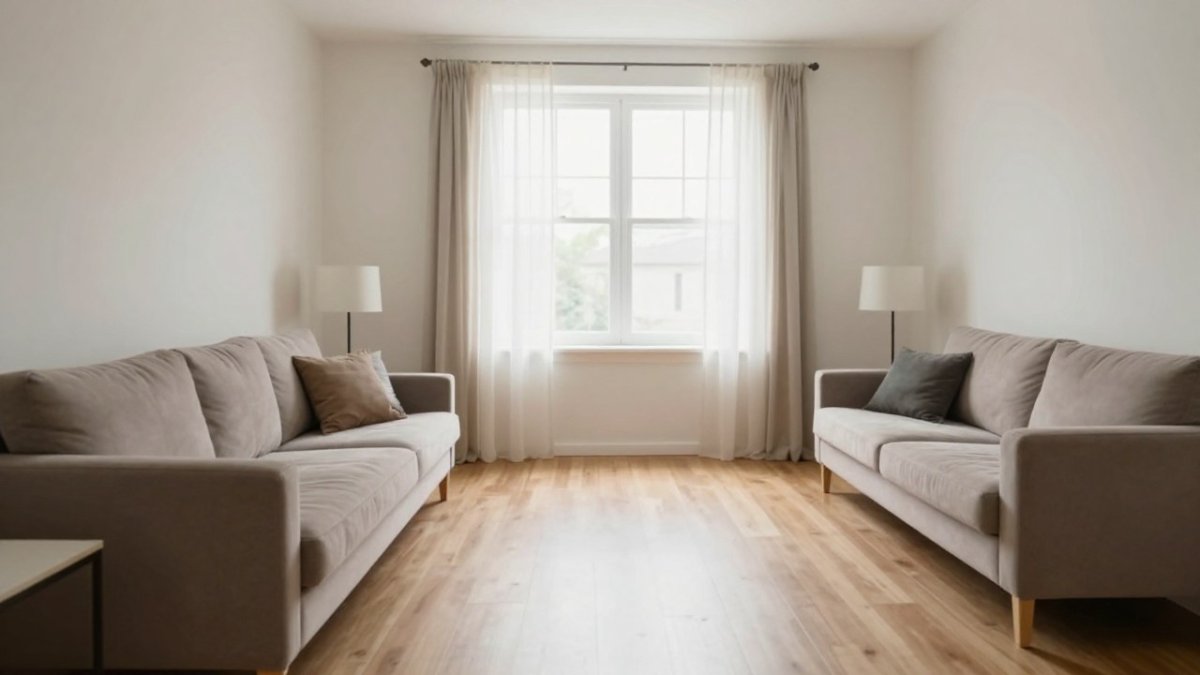
Natural light is a major selling point. Open blinds and curtains fully, clean the windows and replace dim bulbs with brighter ones. Good lighting in photos helps your listing stand out.
A home staging tip many sellers miss is to consider how the house looks from the street. Trim overgrown plants, clean the front door and make sure the entrance looks welcoming.
Handling Occupied Homes, Pets and Showing Logistics
Showing a home while someone still lives there takes planning. Set clear showing hours, keep valuables out of sight and agree on how much notice you need before a viewing.
Pets require special care. Remove pet bowls, litter boxes and toys before showings, and arrange for pets to be out of the home. Children’s rooms and play areas should also be tidy and easy to walk through.
Book Your Pre-Listing Walkthrough Before Listing Day
A walkthrough before listing day helps you catch problems early. An experienced agent or estate specialist can walk through the home with you, note what needs attention and help you set a realistic plan.
If you are managing an estate or clearing a home for a move, book a pre-listing walkthrough with the Brian Price team to talk through timing, repairs and clear-out needs before you list. A walkthrough gives you a clear picture of what to do next.
If you want help valuing contents before you decide what to keep, sell or clear, see how estate sale services can maximize the value of your household items. Planning this early can make the whole preparation feel less overwhelming.
Ready to start preparing your Windsor home for sale? Brian Price offers a single point of contact for estate clean outs, downsizing and estate sales. Contact the team to request a quote and take the first step toward a smooth sale.
Frequently Asked Questions
How do I prepare my house to go on the market?
Start about two to three months before your target listing date. Begin with a walkthrough to note needed repairs, then declutter, deep clean and schedule any inspections or estimates. Gather home records, warranties and keys so they are ready for buyers. Pricing for each step depends on the scope of the work, the size of the home and the condition it is in, so get written quotes from licensed trades and a current assessment from a local real estate professional before committing to a budget. Brian Price can walk you through the sequence and a quote for your situation.
What should I fix before selling my house?
Focus on items a buyer’s home inspection is likely to flag, such as roof leaks, failing electrical or plumbing, cracked foundations, and safety issues like missing railings or smoke alarms. Cosmetic items like scuffed walls, dated fixtures and worn flooring often return more value for less cost than major renovations. Prioritize repairs by how much they affect the inspection and buyer appeal, and get repair estimates before deciding what to tackle yourself and what to hire out.
How long does it take to prepare a house for sale?
Most homes need roughly two to three months of preparation, though a house with major repairs, a large accumulation of belongings or an estate situation can take longer. Work backward from your target listing date: allow time for inspections, trades and estimates first, then decluttering and cleaning in the final weeks. Clearing an entire household within a short window is possible but usually requires planning, and a professional clean out service can shorten the timeline considerably.
Is it worth staging a house before selling?
Staging helps buyers picture themselves in the home, which is why small, low-cost changes such as neutral paint, clear walkways, good lighting and removing personal photos often matter more than new furniture. Full professional staging costs more and is most useful for vacant homes or properties with unusual layouts. Ask a local agent whether staging is worth it in your specific market before committing to a budget.
