
Table of Contents
- What a Certified Personal Property Appraiser Does
- How to Choose a Personal Property Appraiser
- How to Prepare for an Appraisal
- Understanding Personal Property Appraisal Cost
- Appraisal Versus Estate Sale Estimate
- The Personal Property Appraisal Process
- Common Mistakes to Avoid
- Frequently Asked Questions
Last Updated: October 18, 2026
What a Certified Personal Property Appraiser Does
A personal property appraiser is a professional who assesses the fair market value of movable items, everything from antiques and collectibles to vehicles, artwork, and household furnishings. This differs from real estate appraisal, which focuses on land and buildings.
The role goes beyond simply guessing a price. A certified appraiser conducts a thorough examination of each item, researches comparable sales, documents condition and provenance, and produces a written report that holds up to scrutiny, whether for estate settlement, insurance purposes, tax deductions, or liquidation planning. This is especially important when multiple heirs disagree on value, or when you’re working with an executor who needs defensible numbers.
At Brian Price, we combine certified appraisal services with estate transition expertise. This means the valuation process can connect directly to the liquidation strategy, so you’re not just getting a number, you’re getting a realistic plan for what items will sell and at what price point.
How to Choose a Personal Property Appraiser
Finding the right appraiser matters more than most people realize. A low-quality appraisal can undervalue your estate items by thousands, or worse, miss valuable pieces altogether. A strong appraiser will have verifiable credentials, relevant specialization, and a track record you can trust.
Verify Credentials and Accreditation
Start by confirming the appraiser holds recognized professional credentials. In Canada, look for designations like Certified Canadian Personal Property Appraiser (CPPA), which requires formal education, practical experience, and adherence to a professional code of ethics. Other recognized designations include those issued by the Canadian Association of Personal Property Appraisers (CAPPA) or equivalent provincial bodies.
Ask directly: “What are your professional credentials?” and request documentation. A legitimate appraiser will provide this without hesitation. Be wary of anyone who avoids the question or claims credentials that cannot be verified through an official registry. You can cross-check most professional designations online, if you cannot find a record, the credential may not be legitimate.
Insurance is another credibility marker. A professional appraiser carries errors and omissions insurance, which protects you if their valuation later proves inaccurate. Ask whether they carry this coverage and request proof.
Check Specialization and Experience
Not all appraisers are equally skilled across all item categories. One appraiser may excel with fine art and antiques but lack expertise in collectibles or vehicles. Before hiring, confirm the appraiser has specific experience with the types of items you need valued.
Ask: “What’s your background with [specific category, jewelry, furniture, vintage collectibles, etc.]?” Listen for concrete examples of similar work they have completed. A decade of experience with residential estates is valuable, but if you’re liquidating a collection of rare coins or vintage musical instruments, you want someone who has appraised those specific items before.
Experience also matters in your local market. An appraiser familiar with local estate sales understands local pricing dynamics, buyer preferences, and what items move quickly versus those that languish. This local knowledge directly affects the accuracy of their valuation.
How to Prepare for an Appraisal
Preparation on your end simplifies the process and often results in a more thorough appraisal. The appraiser will spend their time on valuation rather than hunting for information you already have.
Organize and Document Your Items
Before the appraiser arrives, group similar items together. Place all jewelry in one area, furniture in another, collectibles in a third. This organization saves time and reduces the chance that items get overlooked.
Take basic photographs of each significant item, especially pieces with damage, maker’s marks, or distinctive features. You do not need professional photography, clear phone photos work fine. These images help the appraiser if they need to research comparable sales after leaving your home, and they serve as a record for insurance or estate documentation.
Create a simple written list noting any items you know have special history or value. For example: “Grandmother’s china set, Wedgwood, purchased 1960s” or “Vintage leather sofa, reupholstered 2015.” This context helps the appraiser prioritize and focus their examination.
Gather Provenance and Historical Information
Provenance, the documented history of an item’s ownership and origin, significantly affects value. Collect any receipts, certificates of authenticity, auction house documents, or letters that establish where items came from and when they were acquired.
For antiques and collectibles, even rough notes help. If you know a piece was inherited from a relative or purchased at a specific estate sale, document that. If you have old photographs showing an item in use, keep those accessible. Appraisers use this information to verify authenticity and establish market context.
For items with maker’s marks, serial numbers, or brand labels, point these out to the appraiser during the examination. These details often determine whether something is a reproduction or a genuine piece, and they directly impact valuation.
Understanding Personal Property Appraisal Cost
Cost is a legitimate concern, especially when you’re already managing the emotional and logistical weight of an estate transition. Understanding what drives appraisal fees helps you budget realistically and avoid surprises.
What Influences Your Quote
Appraisal fees typically depend on several factors:
- Scope of work: Appraising 50 items takes less time than appraising 500. Larger estates cost more.
- Complexity and specialization: Valuing everyday household furniture is straightforward. Appraising rare art, vintage jewelry, or specialized collectibles requires more research and expertise, so fees reflect that.
- Report requirements: A brief summary report costs less than a detailed, fully documented appraisal suitable for legal proceedings or insurance claims.
- Travel and time: If items are spread across multiple locations or the appraiser must spend significant time on research, expect higher fees.
- Urgency: Rush appraisals typically carry a premium.
Most appraisers charge either an hourly rate or a flat fee based on the estimated scope. Some charge per item for large collections. Request a quote before committing.
Getting an Accurate Estimate
When contacting appraisers for a quote, provide as much detail as possible: the approximate number of items, the general categories (furniture, jewelry, collectibles, etc.), and the purpose of the appraisal (estate settlement, insurance, liquidation). The more specific you are, the more accurate the estimate.
Ask whether the quote includes the written report, travel time, and any follow-up consultations. Clarify what happens if the scope changes during the appraisal, for example, if you discover additional items once the appraiser arrives. Understanding these details upfront prevents billing surprises.
Appraisal Versus Estate Sale Estimate
Many people confuse these two services, but they serve different purposes and produce different results.
An appraisal is an independent, professional valuation conducted by a certified appraiser. It establishes fair market value based on research, comparable sales data, and professional judgment. Appraisals are used for estate settlement, insurance, tax purposes, and legal proceedings. They are formal, documented, and defensible in court if needed.
Tell Us About Your Situation →
An estate sale estimate is provided by an auction house or estate liquidator. It reflects what they believe items will actually sell for at auction, accounting for local buyer demand, market timing, and their commission.
For estate settlement or insurance purposes, you need an appraisal. For liquidation planning, an estate sale estimate is useful context. Ideally, you get both: the appraiser tells you fair market value, and the liquidator tells you what price is realistic in your local market right now. These two numbers inform your decisions about which items to sell, donate, or keep.
The Personal Property Appraisal Process
Understanding what happens during an appraisal demystifies the experience and helps you prepare mentally and logistically.
Item Examination and Inspection
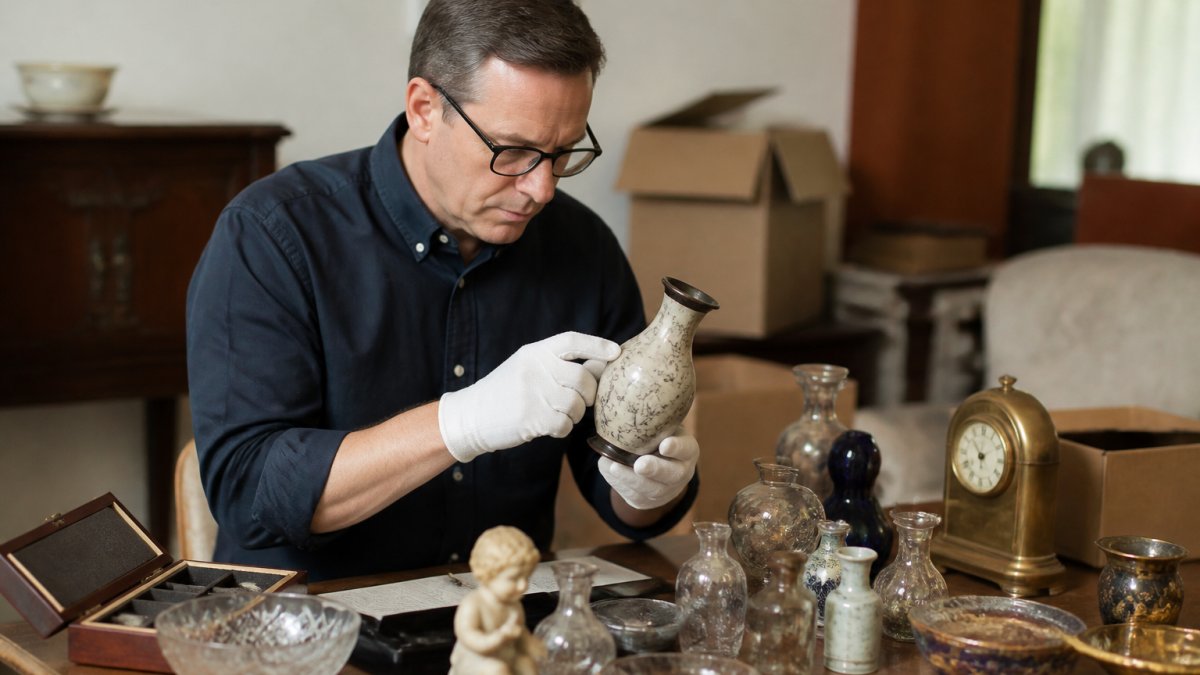
The appraiser begins by physically examining each significant item. They look for maker’s marks, signatures, labels, construction details, and signs of condition, wear, damage, repairs, restoration. They take notes and often photograph items for their records.
This examination is thorough but not invasive. The appraiser will handle items carefully and respectfully. If you have fragile pieces or items you prefer not to be moved, mention this upfront. A professional appraiser will work within your constraints.
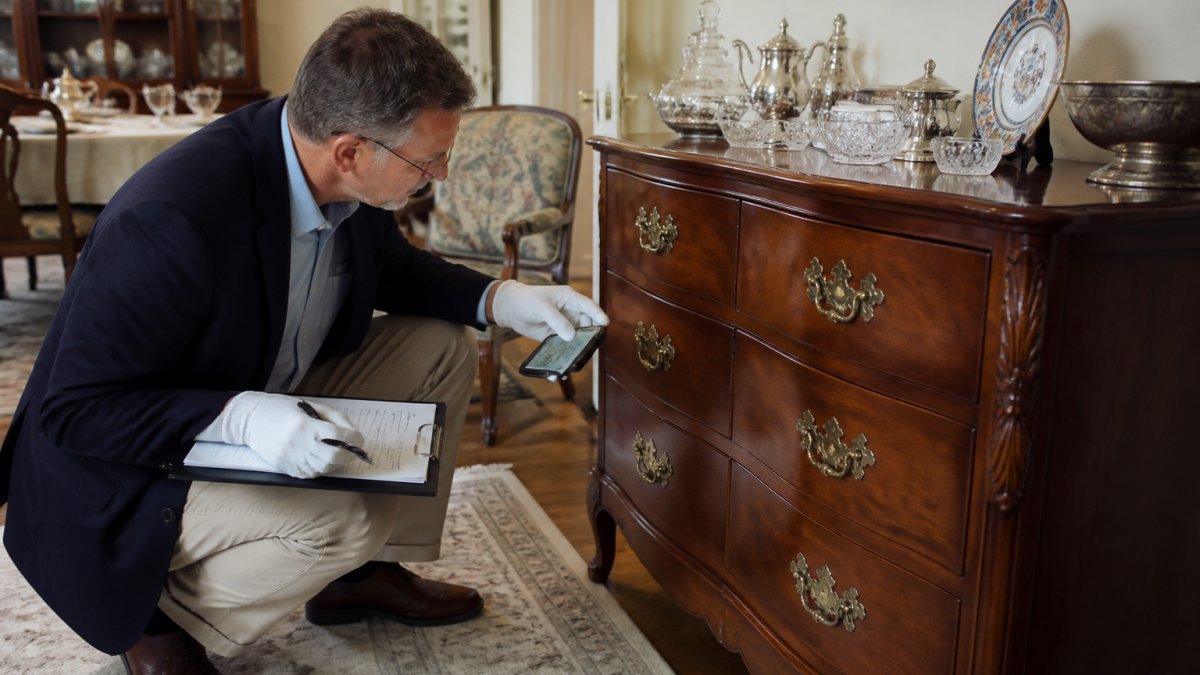
For items with moving parts, mechanical function, or electrical components, the appraiser may test or demonstrate operation to verify condition. For jewelry and small collectibles, they may use magnification tools to inspect details.
Research and Comparable Sales Analysis
After the physical examination, the appraiser conducts research. They consult auction house records, dealer databases, sales history, and market data to identify comparable items that have sold recently. This research establishes what similar pieces in similar condition have fetched in the current market.
The appraiser compares your items against these comparables, adjusting for differences in condition, rarity, provenance, and local demand. This comparative analysis is the foundation of the valuation. It is not guesswork, it is data-driven methodology.
The Written Appraisal Report
The final deliverable is a written appraisal report. This document includes:
- A detailed description of each appraised item
- Condition assessment and any damage or restoration noted
- The appraiser’s professional opinion of fair market value
- The date of appraisal and the appraiser’s credentials
- The intended use of the appraisal (estate settlement, insurance, etc.)
- Methodology and comparable sales data supporting the valuation
This report is what you provide to executors, lawyers, insurance companies, or tax authorities. It is a formal document that carries weight in legal and financial contexts. A compliant report from a certified appraiser is what makes the appraisal defensible.
Common Mistakes to Avoid
Learning from others’ missteps saves time, money, and stress.
Hiring an unqualified appraiser to save money. A cheap appraisal that undervalues your estate by thousands defeats the purpose. Invest in a certified professional.
Failing to disclose the appraisal’s intended use. Tell the appraiser upfront whether this is for estate settlement, insurance, tax deduction, or liquidation.
Assuming all items have significant value. Most household estates contain a mix of valuable pieces and everyday items.
Skipping the appraisal because you plan to sell everything at auction. Even if you liquidate through an estate sale, an appraisal provides a baseline valuation for estate settlement and tax purposes.
Not verifying the appraiser’s credentials before hiring. A few minutes of verification upfront prevents hiring someone unqualified. Check professional registries, ask for references, and confirm insurance coverage.
Delaying the appraisal. If you are managing an estate with a deadline, a home sale, a move to a retirement facility, or executor obligations, schedule the appraisal early.
Navigating an estate transition involves countless decisions, and knowing the true value of what you own is foundational to making them well. Whether you are settling an estate, planning a move, or preparing items for liquidation, the appraisal process gives you defensible numbers and a clear picture of what you have.
Brian Price combines certified appraisal services with comprehensive estate transition support. We handle the full scope, from appraising your items to managing the liquidation, cleanup, and logistics of your transition.
Frequently Asked Questions
How do I find a qualified personal property appraiser in Windsor?
Look for appraisers who hold professional accreditation such as Certified Canadian Personal Property Appraiser (CPPA) designation. Verify their credentials through professional appraisal associations, ask about their specialization in the types of items you need valued, check their experience with estate appraisals, and request references from past clients. A qualified appraiser will provide detailed information about their qualifications and be transparent about their appraisal process and fees.
What is the difference between a personal property appraisal and an estate sale estimate?
A formal appraisal provides an independent, professional valuation of items based on market research, comparable sales, and condition assessment, delivered in a detailed written report suitable for insurance, estate settlement, or legal purposes. An estate sale estimate is typically provided by a liquidation service to predict selling prices at auction or retail, often less detailed and focused on quick liquidation rather than fair market value documentation. An appraisal is more thorough and credible for official purposes.
How much does a personal property appraisal cost?
Appraisal fees depend on the quantity and type of items, complexity of the collection, time required for examination and research, and the appraiser’s experience level. Some appraisers charge hourly rates, while others quote project-based fees. For an accurate quote, contact appraisers directly with details about your collection.
What should I do to prepare for a personal property appraisal?
Organize items by category, clean them gently without restoration, and gather any documentation such as purchase receipts, certificates of authenticity, or provenance records. Create a list of items you want appraised and note any damage or wear. Provide the appraiser with a clear, accessible space to work. Having items well-organized and documented speeds up the process and helps the appraiser deliver a more accurate valuation.